 Advertise With UsAdvertise on our extensive network of industry websites and newsletters.

 Get the PBR newsletterSign up to our free email to get all the latest PBR
news.
Enthorin and Rumi sign agreement for FXS therapy
Enthorin Therapeutics has signed an option-to-license agreement with Rumi Therapeutics to advance ENT-7340 for Fragile X syndrome (FXS), as well as other intellectual and developmental disabilities.
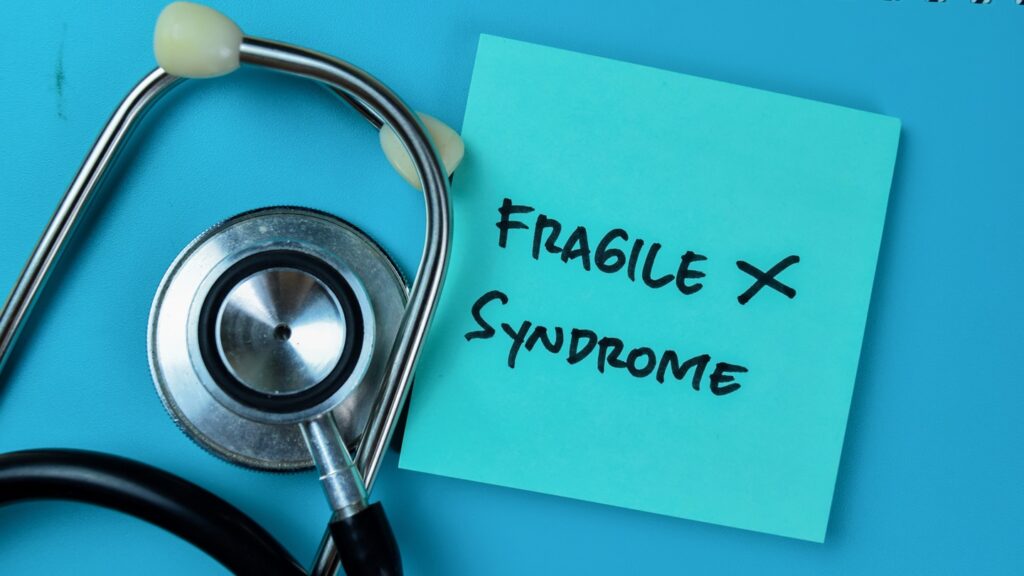
Enthorin Therapeutics has signed an option-to-license agreement with Rumi Therapeutics to advance ENT-7340 for Fragile X syndrome (FXS), as well as other intellectual and developmental disabilities.

Acta Pharmaceuticals has secured $24m in seed funding for advancing a drug pipeline focused on early intervention and prevention of Alzheimer’s disease (AD), including the clinical progression of its lead candidate, GSM-779690T.

INmune Bio and Quantum Computing, known as QCi, have agreed to collaborate using quantum computing, AI, and data analytics to explore new indications for XPro (XPro1595), an investigational treatment for Alzheimer’s disease and other medical conditions.

Japan’s Ministry of Health, Labour and Welfare has approved Viatris’ Wakix (pitolisant) for excessive daytime sleepiness (EDS) related to obstructive sleep apnoea syndrome (OSAS) and for narcolepsy types 1 and 2.

Eli Lilly and Company and QurCan Therapeutics have signed an exclusive research and collaboration agreement to develop genetic medicine therapeutics for diseases of the central and peripheral nervous systems.
Médunik Canada has entered an exclusive promotional services agreement with Biocodex for Diacomit, a medication approved in Canada as an add-on therapy for seizures associated with Dravet syndrome.
China-based Biocytogen Pharmaceuticals has entered a non-exclusive licensing agreement with Qilu Pharmaceutical for a fully human VHH antibody molecule.

Teva Pharmaceuticals International has made a bid to acquire a range of neuroscience assets from BioXcel Therapeutics for a total deal value of $125m.

Takeda has received approval from Japan’s Ministry of Health, Labour and Welfare (MHLW) for Orzeyful (oveporexton) to treat narcolepsy type 1 in adults.

Andelyn Biosciences is set to develop and manufacture a gene therapy known as AAV9-GM2, for Queen’s University to treat GM2 gangliosidoses, including Tay-Sachs and Sandhoff diseases.