 Advertise With UsAdvertise on our extensive network of industry websites and newsletters.
 Get the PBR newsletterSign up to our free email to get all the latest PBR
news.
Get the PBR newsletterSign up to our free email to get all the latest PBR
news.Pfizer to utilize CytoReason’s machine learning model for drug discovery
Pfizer has signed a collaboration agreement to use CytoReason’s machine learning model of the immune system for drug discovery.

Pfizer has signed a collaboration agreement to use CytoReason’s machine learning model of the immune system for drug discovery.
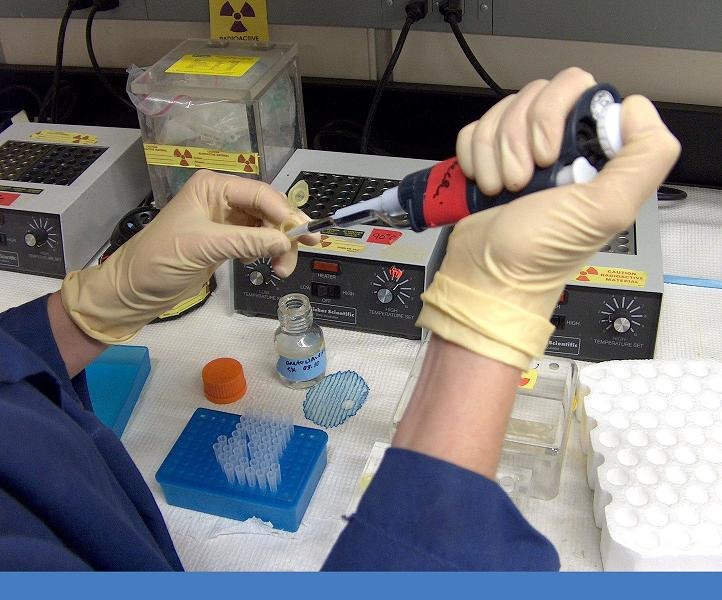
Gilead Sciences has signed a licensing and collaboration agreement, potentially worth $785m, with South Korea-based Yuhan to develop new therapeutic candidates for the treatment of advanced fibrosis due to nonalcoholic steatohepatitis (NASH).

Adaptive Biotechnologies has entered into a worldwide collaboration and license agreement with Roche Group’s Genentech to develop, manufacture and commercialize novel neoantigen directed T-cell therapies for the treatment of a range of cancers.

French multinational pharmaceutical company Sanofi investing €80m in equity in BioNTech, which is claimed to be the Europe’s largest privately-held biopharmaceutical firm focused on the development of individualized therapies for cancer and the prevention of infectious diseases.

Boehringer Ingelheim has exercised an option to receive exclusive rights to a second hepatic disease target emerging from its research collaboration and license agreement with Dicerna.

Otsuka America and Click Therapeutics have signed a collaboration agreement for the development and commercialization of a prescription digital therapeutic to treat major depressive disorder (MDD).

Promethera Biosciences, a US-based cell therapies company, has secured an investment of €10m from Japanese conglomerate ITOCHU as part of the company’s Series D round.

Clinical-stage therapeutics company Antengene has raised $120m funding, which will be used to continue the development of its ATG-008 and ATG-010 (selinexor) and other clinical-stage assets.
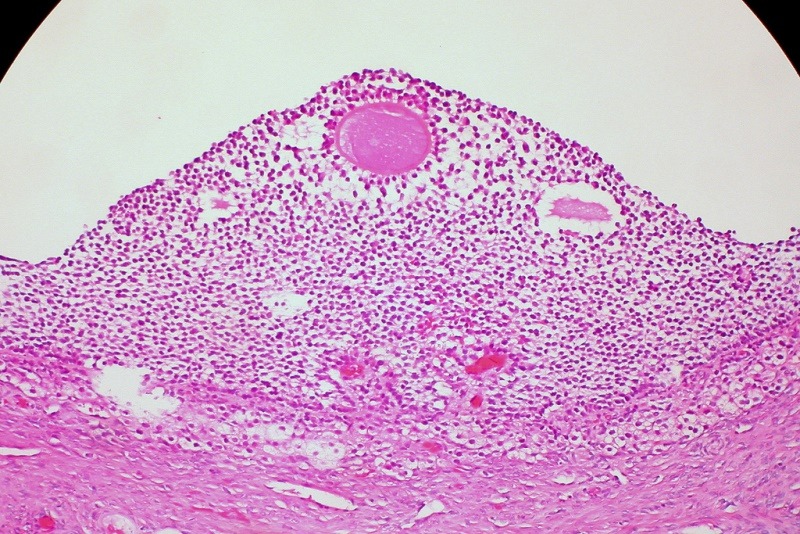
International PCOS Consortium has carried out a study to determine the common genetic architecture for different diagnostic criteria that are employed to describe polycystic ovary syndrome (PCOS).

A group of scientists from the UK’s University of Birmingham has developed a new eye drop that can minimize sight-threatening scarring to the surface of the eye or the cornea.